
Currently Empty: $0

Optimizing GIS Budget Allocation: Why Many Organizations Overspend on Licenses—and How to Fix It
Across government agencies, municipalities, PMOs, utilities, and private-sector planning teams, GIS budgets are often dominated by software licensing. Enterprise GIS ecosystems are robust, widely trusted, and feature-rich—yet many organizations discover that the scale of licensing investment does not always align with actual operational usage.
This gap can create financial inefficiencies without delivering proportional business value. As consultants, the focus is not on tools themselves, but on how organizations govern, deploy, and scale them effectively.
1. The Core Challenge: Capability vs. Utilization
Many organizations adopt comprehensive enterprise GIS platforms to ensure future readiness and flexibility. However, actual usage often concentrates in a few areas:
- A small number of advanced analysts using high-end desktop capabilities
- Editors and technicians focusing on standard data maintenance
- Business users primarily consuming dashboards and web maps
- Field teams relying on mobile data collection tools
Meanwhile, some advanced components may remain lightly used for extended periods—reflecting a natural gap between platform potential and organizational maturity.
2. Why This Happens: Common Organizational Patterns
- Enterprise-first procurement strategies: purchasing for completeness even when capacity is still evolving.
- Planning for potential future needs: buying capabilities “just in case” without a clear adoption plan.
- Limited licensing governance: no periodic review of feature usage, activity, demand, and alignment to objectives.
- Role-based licensing gaps: uniform assignment of licenses despite different user needs.
3. A Strategic Approach: Right-Sizing the GIS Ecosystem
A. Licensing & Usage Assessment
Conduct a structured review of user roles, tools and extensions, service workloads, and redundant or inactive components to clarify what delivers value today.
B. Role-Based User Segmentation
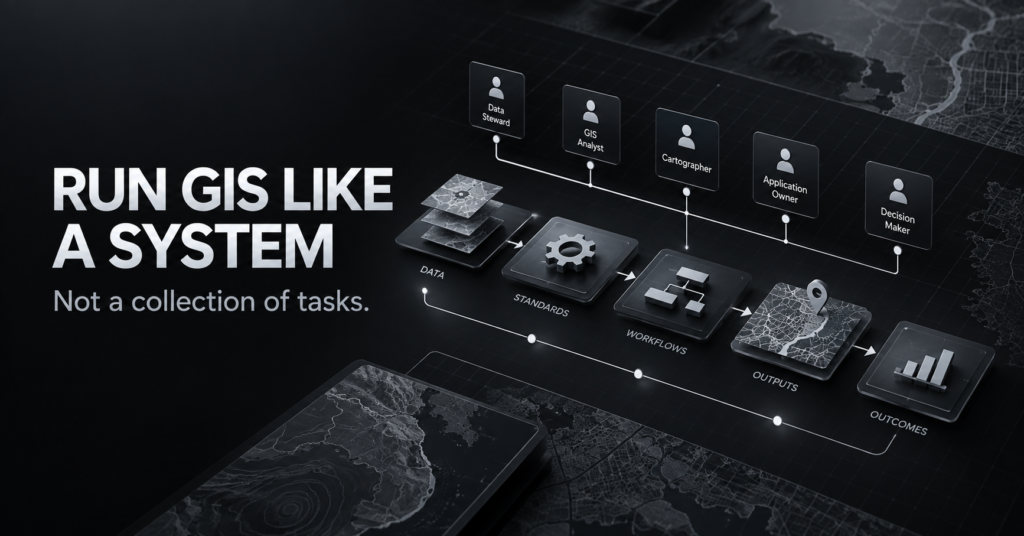
Most environments naturally segment into analysts, editors/technicians, field teams, business users, and developers—each with distinct needs. Aligning access to roles improves efficiency without reducing capability.
C. Hybrid & Complementary Technology Models
Many organizations blend enterprise GIS with complementary tools for specific workflows, improving flexibility and reducing duplication.
D. A Phased Growth Roadmap
Build a multi-year roadmap aligned with maturity, skills, transformation goals, project pipeline, and budget cycles to scale intentionally.
4. Outcomes: What Organizations Typically Gain
- Reduced unused or underutilized licenses
- Improved ROI from existing platforms
- More focused and faster workflows
- Stronger alignment between technology and operational priorities
- Clearer justification for future investments
The goal is not to reduce GIS capability—it is to use it intentionally and effectively.
5. Closing Perspective
The strongest GIS programs are not defined by the size of their software stack, but by how well tools support real operations, decisions, and outcomes. Strategic budget allocation means understanding usage, governing access, and scaling capabilities at the right time.
At The GEO LAB, we help organizations assess licensing and usage, optimize deployments, design sustainable hybrid environments, and improve ROI—so investment is aligned with real operational needs.
تحسين توزيع ميزانية نظم المعلومات الجغرافية (GIS): لماذا تُنفق العديد من الجهات أكثر من حاجتها على التراخيص — وكيف يمكن تصحيح ذلك
في العديد من الجهات الحكومية، والبلديات، ومكاتب إدارة المشاريع (PMOs)، وهيئات المرافق، وحتى فرق التخطيط في القطاع الخاص، تمثل تراخيص البرمجيات جزءًا كبيرًا من ميزانية نظم المعلومات الجغرافية. ورغم قوة ونضج منصات GIS المؤسسية، إلا أن حجم الاستثمار في التراخيص لا يتوافق دائمًا مع مستوى الاستخدام الفعلي داخل المؤسسة.
هذا التفاوت قد يؤدي إلى كفاءات مالية أقل دون تحقيق قيمة تشغيلية موازية. ومن منظور استشاري، لا يكمن التحدي في الأدوات نفسها، بل في كيفية إدارتها وحوكمتها ومواءمتها مع احتياجات العمل الواقعية.
١. التحدي الأساسي: الإمكانيات مقابل الاستخدام
تتجه العديد من المؤسسات إلى تبني منصات GIS مؤسسية شاملة بهدف الجاهزية المستقبلية وضمان المرونة، لكن أنماط الاستخدام الفعلية غالبًا ما تتركز في نطاقات محددة:
- عدد محدود من المحللين المتقدمين يستخدمون أدوات التحليل والتحرير المتقدمة
- محررون وفنيون يركزون على صيانة البيانات وتحديثها
- مستخدمو أعمال يستهلكون لوحات المعلومات والخرائط عبر الويب
- فرق ميدانية تعتمد على تطبيقات جمع البيانات
وفي المقابل قد تبقى بعض المكونات المتقدمة غير مفعلة أو قليلة الاستخدام لفترات طويلة، وهو ما يعكس فجوة طبيعية بين الإمكانيات المتاحة ونضج المؤسسة.
٢. لماذا يحدث ذلك؟ أنماط تنظيمية شائعة
- استراتيجيات شراء شاملة: الاستثمار بهدف الاكتمال حتى مع تطور القدرات الداخلية تدريجيًا.
- التخطيط للاحتياج المحتمل: شراء إمكانيات “للاحتياط” دون خطة واضحة لتفعيلها.
- غياب حوكمة التراخيص: عدم وجود مراجعات دورية للاستخدام والنشاط والاحتياج ومواءمة الاستثمار مع الأهداف.
- فجوة الربط بالأدوار: توزيع موحد للتراخيص رغم اختلاف احتياجات المستخدمين.
٣. المنهجية الاستراتيجية: مواءمة منظومة GIS مع الاحتياج الحقيقي
أ. مراجعة التراخيص والاستخدام
تنفيذ مراجعة منظمة لأدوار المستخدمين، والأدوات والامتدادات، وأحمال الخدمات، والعناصر المكررة أو غير النشطة لتحديد ما يحقق قيمة فعلية اليوم.
ب. تصنيف المستخدمين حسب الدور الوظيفي
غالبًا ما تنقسم البيئات إلى محللين، وفنيين/محررين، وفرق ميدانية، ومستخدمي أعمال، ومطورين—لكلٍ احتياج مختلف. ربط الصلاحيات بالأدوار يحسن الكفاءة دون تقليل الإمكانيات.
ج. نموذج المنصات الهجينة والمتكاملة
تعتمد جهات عديدة على مزيج من منصة GIS مؤسسية مع أدوات مكملة لحالات استخدام محددة، ما يزيد المرونة ويقلل الازدواجية.
د. خارطة طريق للنمو المرحلي
إعداد خارطة طريق متعددة السنوات تتماشى مع نضج المؤسسة والمهارات وأهداف التحول الرقمي والمشاريع المستقبلية ودورات الميزانية للنمو بشكل مدروس.
٤. النتائج: ما الذي تحققه المؤسسات عادةً؟
- خفض التراخيص غير المستخدمة أو قليلة الاستخدام
- تحسين العائد على الاستثمار من المنصات الحالية
- تسريع سير العمل وزيادة التركيز على ما يضيف قيمة
- مواءمة أفضل بين التقنية والأولويات التشغيلية
- مبررات أوضح للاستثمارات المستقبلية
الهدف ليس تقليل إمكانيات GIS، بل استخدامها بذكاء وفاعلية وبما يخدم احتياجات العمل.
٥. الخلاصة
لا تُقاس قوة برامج GIS بحجم الحزمة البرمجية، بل بمدى دعم الأدوات للتشغيل وصناعة القرار وتحقيق النتائج. تحسين توزيع الميزانية يعني فهم الاستخدام الحقيقي، وحوكمة الصلاحيات، وتوسعة الإمكانيات في التوقيت المناسب.
في The GEO LAB نساعد الجهات على تقييم الاستخدام والتراخيص، وتحسين النشر والتشغيل، وتصميم بيئات هجينة مستدامة، ورفع العائد على الاستثمار—بما يضمن مواءمة التقنية مع الاحتياج التشغيلي الحقيقي.